

















































Managing large GitHub repositories within Confluence requires effective organization and utilization of resources. Here are some practices for optimizing the management of sizable GitHub repositories in Confluence, helping you maintain a streamlined and efficient collaboration environment.
Divide Content into Smaller Pages: When dealing with large GitHub repositories, consider dividing the content into smaller pages within Confluence, breaking down the repository documentation into more manageable sections enhances readability and reduces load times. Creating separate pages for different components, modules, or specific aspects of the repository would aid easy navigation and help the team gain access to relevant information easily, improving overall efficiency when working with large repositories.
Utilize Page Hierarchy and Structure: Leverage Confluence's page hierarchy and structure to organize your GitHub repository documentation effectively. Establish a logical structure by creating parent pages, child pages, and sub-pages to represent different sections and levels of detail. Use headings, subheadings, and table of contents to provide clear navigation within pages. Implementing a well-defined structure ensures that users can locate and browse repository information effortlessly, even in large-scale documentation.
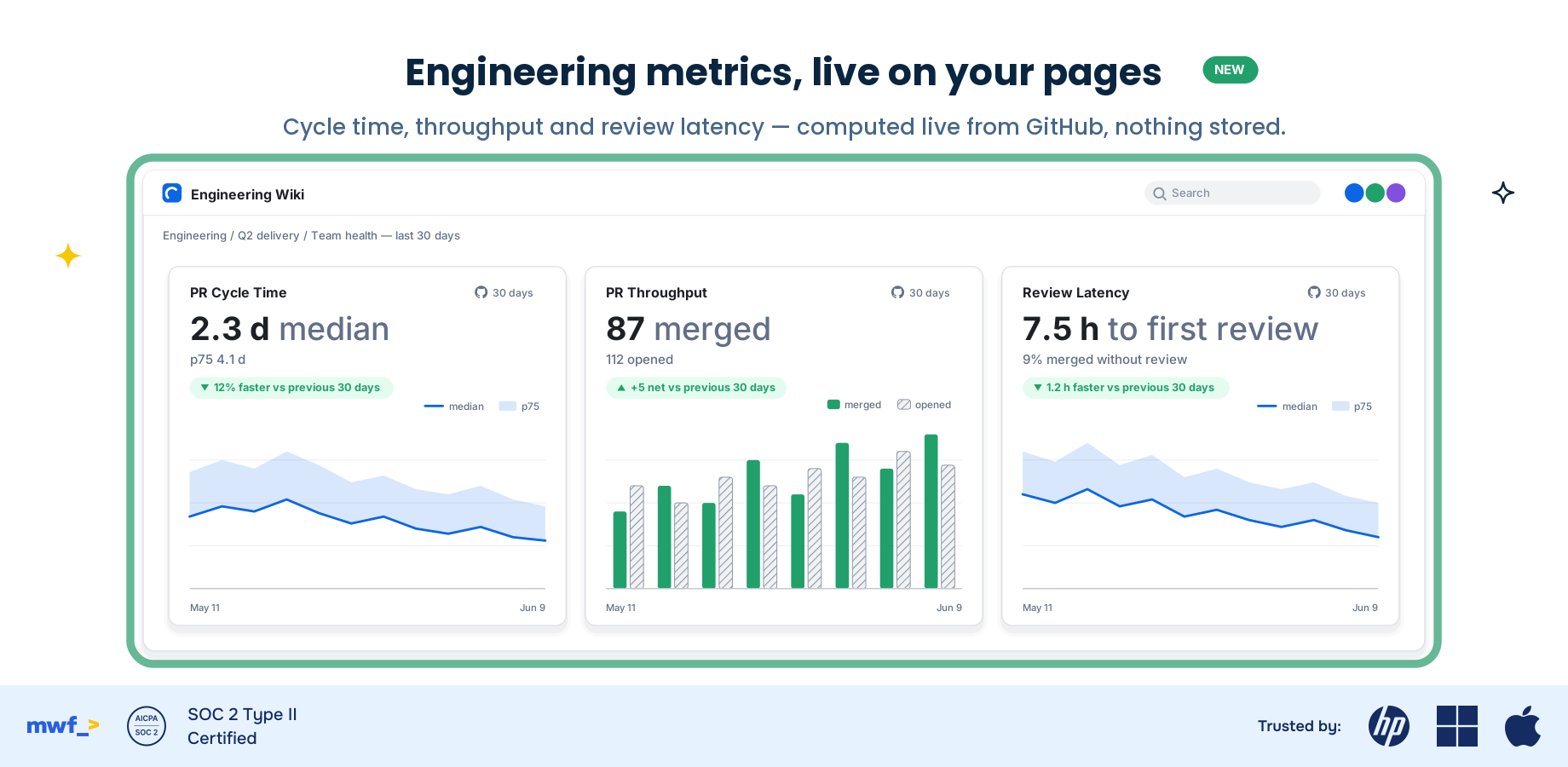
Use Macros and Dynamic Content: Make use of Confluence macros and dynamic content to enhance the presentation and accessibility of large GitHub repositories. Utilize macros such as the "Table of Contents" or "Expand" to provide users with quick overviews or collapsible sections. Embed dynamic content like code snippets or pull request statuses to keep information up-to-date and interactive. These features streamline the browsing experience and enable users to focus on relevant content within the repository documentation.
Regularly Review and Update Documentation: Maintaining up-to-date documentation is essential for managing large GitHub repositories effectively. Set up a review schedule to ensure that documentation remains accurate and reflects the current state of the repository. Encourage collaboration among team members to contribute to the documentation and keep it relevant. Periodically review and update the content to eliminate outdated or irrelevant information, promoting a reliable and comprehensive resource for repository users.
Effectively managing large GitHub repositories in Confluence requires thoughtful organization and utilization of features. By dividing content into smaller pages, utilizing page hierarchy, employing macros and dynamic content, and regularly reviewing documentation, you can optimize the management of large repositories and facilitate seamless collaboration within Confluence.